Full resolution (JPEG) - On this page / på denna sida - Sidor ...

<< prev. page << föreg. sida << >> nästa sida >> next page >>
Below is the raw OCR text
from the above scanned image.
Do you see an error? Proofread the page now!
Här nedan syns maskintolkade texten från faksimilbilden ovan.
Ser du något fel? Korrekturläs sidan nu!
This page has never been proofread. / Denna sida har aldrig korrekturlästs.
476
arranged metaphase similar to the case described in Papaver hy-
brids by LJUNGDAHL (Sv. Bot. Tidskr. 1922).
The tetrads in general present a normal appearance although
in some cases, as might be expected, five to seven cells are found.
In the latter sort two or three of the cells are of normal size and
the others quite small. The pollen is uniformally defective. When
immature the pollen grains are of good size but the chromalin is
obviously undergoing degeneration. Later on shrinking and di-
ts PT E e 1
$ oe (4 ZET 1
See? 80, / pf xig
pp [V 3l 4 I, |
9% es PS |
Se e e |
b
ar
=
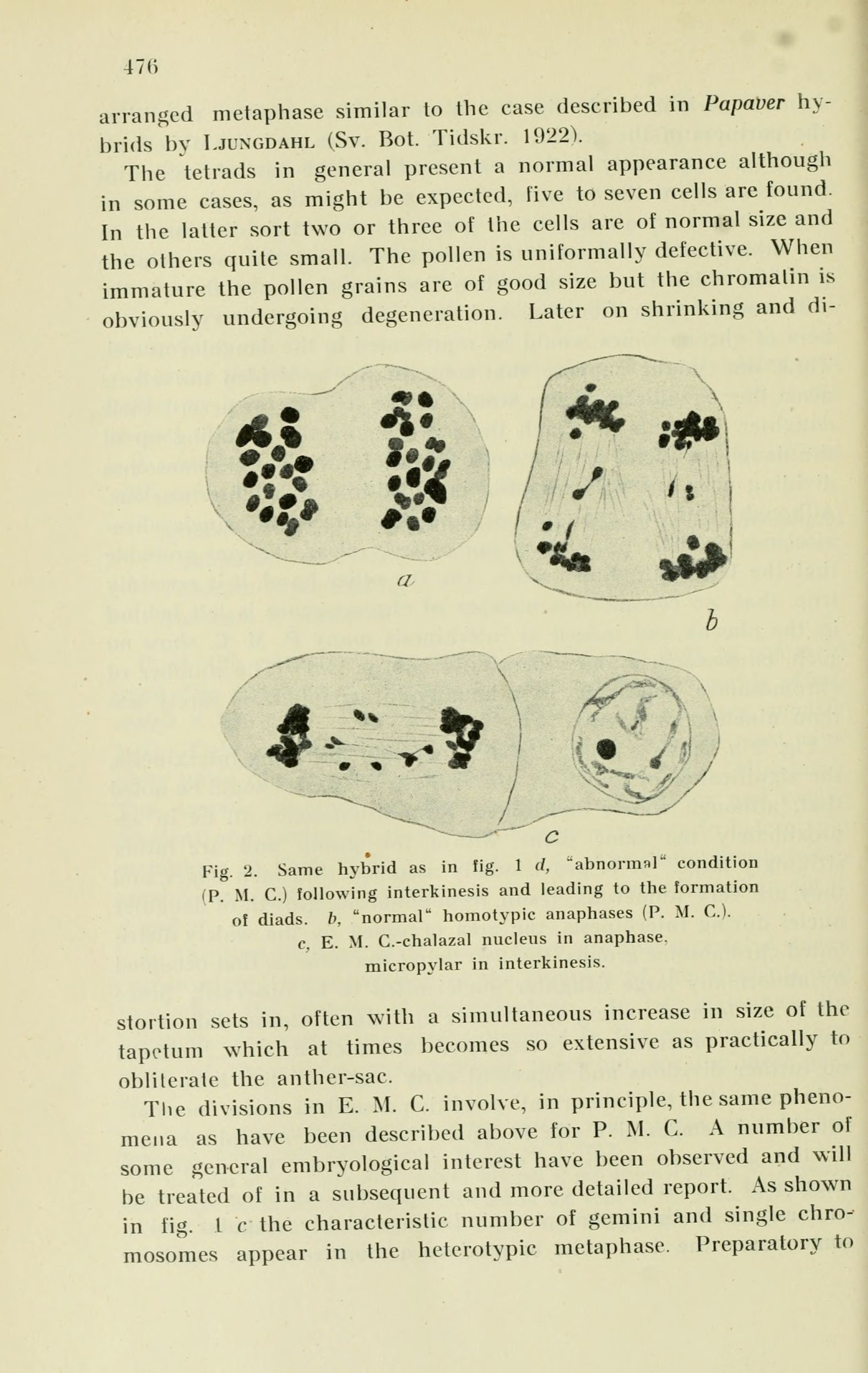
Fig. 2. Same hybrid as in fig. 1 d, “abnormal” condition
(P. M. C.) following interkinesis and leading to the formation
of diads. b, "normal" homotypic anaphases (P. M. C.).
c, E. M. C.-chalazal nucleus in anaphase,
micropylar in interkinesis.
stortion sets in, often with a simultaneous increase in size of the
tapetum which at times becomes so extensive as practically to
obliterate the anther-sac.
The divisions in E. M. C. involve, in principle, the same pheno-
mena as have been described above for P. M. C. A number of
some general embryological interest have been observed and will
be treated of in a subsequent and more detailed report. As shown
in fig. I c the characteristic number of gemini and single chro-
mosomes appear in the heterotypie metaphase. Preparatory to
<< prev. page << föreg. sida << >> nästa sida >> next page >>